US to exempt some Bangladeshi clothes from tariffs
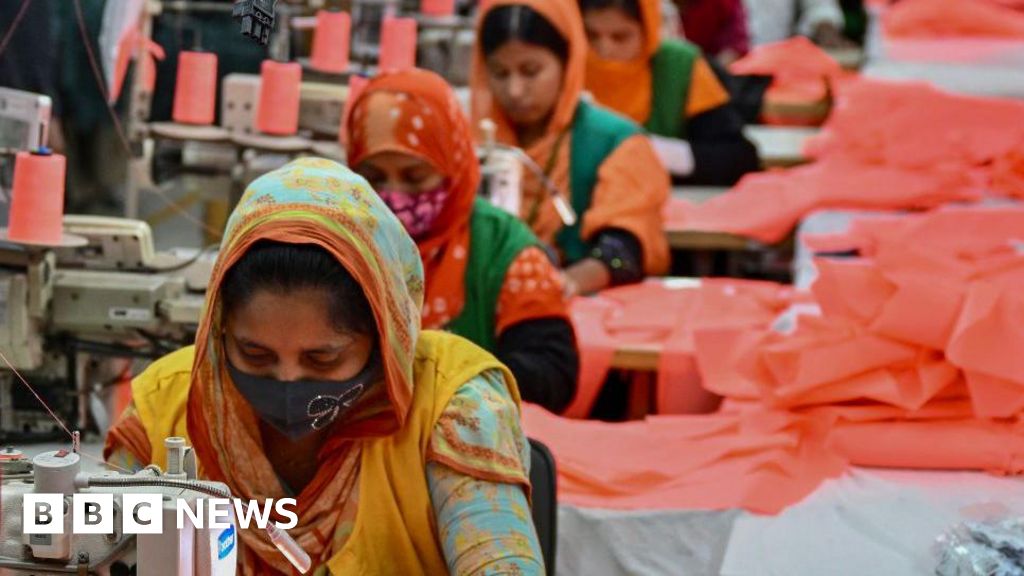
US to exempt some Bangladeshi clothes from tariffs
The White House has announced a significant, targeted exemption on certain ready-made garments imported from Bangladesh, allowing them to bypass existing US tariffs. The move, confirmed by the Office of the U.S. Trade Representative (USTR), is designed to strengthen trade relations between Washington and Dhaka while strategically supporting US domestic industries.
Crucially, the exemption is not universal. The agreement explicitly mandates that to qualify for tariff relief, the garments must be manufactured in Bangladesh utilizing US-produced cotton. This specific requirement ensures that the trade concession directly benefits American cotton growers by incentivizing Bangladeshi factories to source their raw materials from the United States rather than competing global suppliers.
Bangladesh is the world’s second-largest exporter of readymade garments (RMG), and the US serves as its primary export destination. The existing tariffs, often applied under various trade acts, represent a significant cost burden for exporters. Industry experts suggest this nuanced policy represents a calculated shift, aligning US trade policy to support its agricultural sector—a powerful lobby—while offering competitive relief to a key trade partner in Asia.
The announcement has been met with optimism by Bangladeshi manufacturing associations. Factory owners who commit to sourcing US cotton will gain a considerable pricing advantage over competitors who rely on regional supply chains, increasing the overall competitiveness of their finished products in the American retail market.
Trade analysts indicate the policy could foster greater integration between the two economies, creating a transatlantic supply chain rooted in agricultural materials and Asian manufacturing expertise. Although the exact volume thresholds and specific Harmonized Tariff Schedule (HTS) codes applicable to the exemption have yet to be publicly finalized, the framework of the agreement signals a deepening bilateral economic partnership.
The implementation details are expected to be formalized in the coming weeks following consultations with trade organizations and relevant Congressional committees.