US consumer spending slowed in December – Is it a warning for the economy?
US consumer spending slowed in December – Is it a warning for the economy?
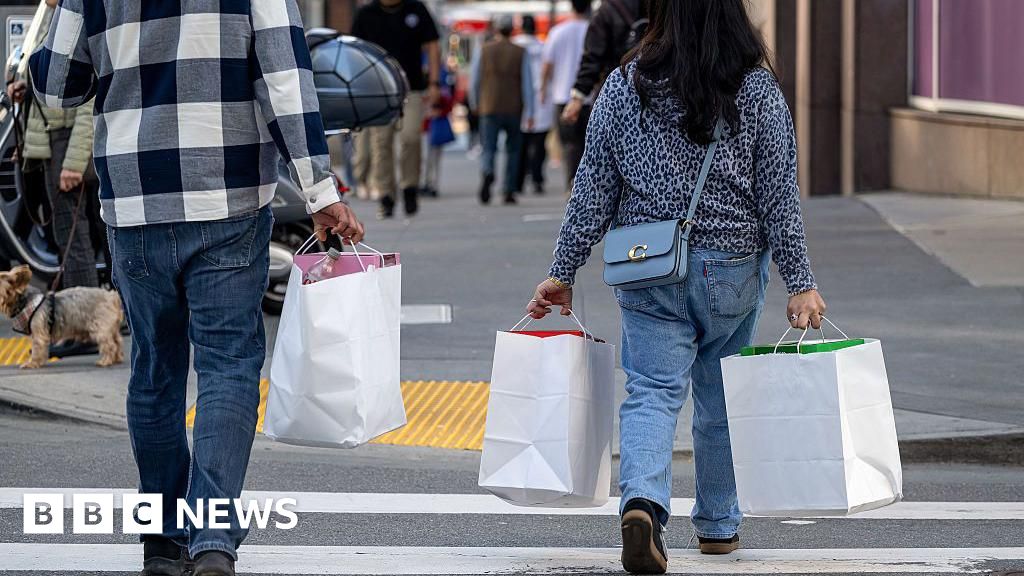
US consumer spending unexpectedly stalled in December, with retail sales registering flat growth at the close of the critical holiday shopping season, according to data released this week. The stagnation, which surprised analysts who had forecast a slight increase, is raising questions about the resilience of the American consumer and the trajectory of the broader economy heading into the new year.
The report highlighted a significant deceleration in purchasing activity following moderate growth in the preceding months. Consumers appeared to pull back sharply across several categories, signaling caution despite the robust employment market that has underpinned economic activity throughout the past year. This sudden shift suggests that high borrowing costs and inflationary pressures are increasingly impacting household budgets.
Retail sales are a critical barometer of economic health, accounting for nearly two-thirds of U.S. GDP. The unexpected flatness in December immediately fueled anxieties among economists concerned about a potential broader slowdown. A sustained pullback in consumer discretionary spending could severely dampen GDP growth forecasts for the first quarter.
Economists are now debating whether the data represents a temporary post-holiday normalization or the beginning of a longer-term trend defined by tighter financial conditions. Many households have depleted the excess savings accumulated during the pandemic era, forcing consumers to become more selective with purchases or rely more heavily on credit.
While spending on essentials generally held steady, categories like furniture, electronics, and clothing saw pronounced decreases in activity, underscoring the shift away from non-essential goods. This environment presents a challenge to retailers who are already grappling with inventory management and input costs.
Federal Reserve officials will be closely monitoring this consumption data as they assess the timeline for potential interest rate adjustments. If the pullback accelerates in early 2024, it could indicate that the central bank’s aggressive efforts to cool demand and curb inflation are finally having the intended, if potentially uncomfortable, effect on economic expansion.