Ted Cruz Brutally Mocked For Puzzling Billie Eilish Dig — But Here's What's Probably Behind It
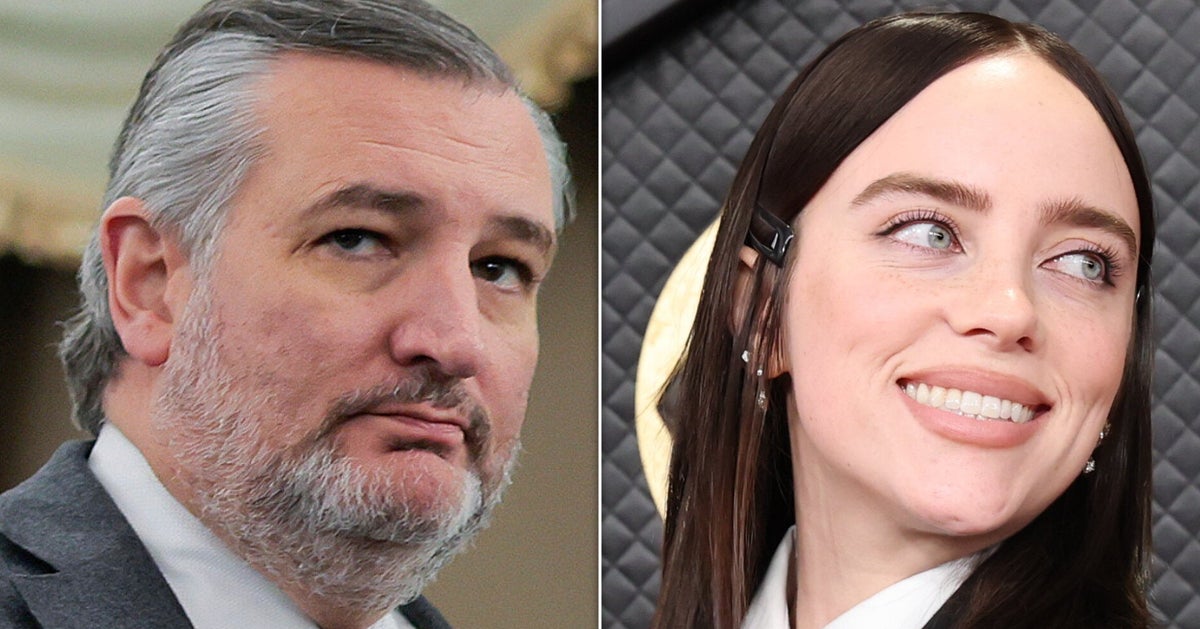
Ted Cruz Brutally Mocked For Puzzling Billie Eilish Dig — But Here’s What’s Probably Behind It
Senator Ted Cruz (R-TX) became the target of widespread online ridicule this week following a bizarre and seemingly unprompted critique of musician Billie Eilish during a congressional hearing. The comments, which quickly went viral, prompted immediate confusion and sharp criticism, raising questions about the motivations behind the high-profile politician’s culture war broadside.
The incident occurred during a Senate committee session where Cruz diverted the focus to popular culture, singling out the “Wildflower” singer. Although the exact nature of the policy connection remained tenuous, the Texas Senator’s remarks were widely interpreted as a calculated dig aimed at Eilish’s public progressive political stances and environmental activism. Social media platforms erupted with mockery, questioning why a sitting senator dedicated airtime to attacking an artist known primarily to Gen Z audiences.
However, political science experts suggest the apparent blunder was likely a highly strategic maneuver. Analysts argue that targeting culturally significant figures popular with the political opposition is a tactic designed to signal alignment with the conservative base, particularly those wary of mainstream liberal culture. “This isn’t about policy or even Eilish herself,” explained Dr. Evelyn Reed, a political communications specialist. “It’s about maintaining visibility in the ongoing culture wars and generating earned media from the ensuing controversy, regardless of the criticism.”
The consensus among political strategists is that moments like these, even when framed negatively by opponents, serve to galvanize support and fundraising among specific voter segments who feel alienated by contemporary celebrity culture. By creating a controversy around the Grammy winner, Cruz successfully steered the national discussion, even temporarily, away from complex policy debates and onto the more emotionally charged ground of partisan cultural identity.