Kids can be the harshest critics…
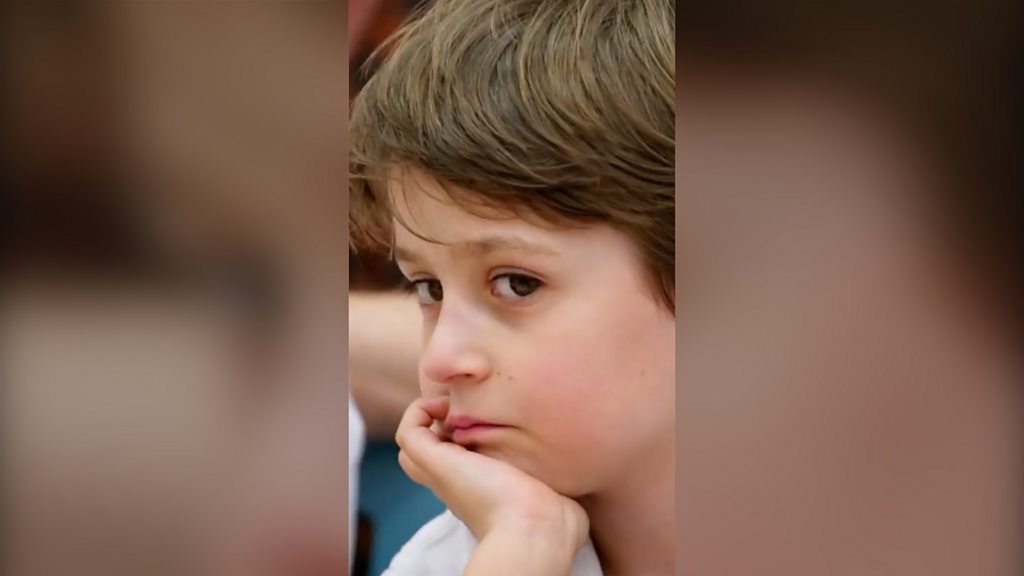
Kids can be the harshest critics…
The adage “Kids can be the harshest critics” proved profoundly true on Thursday as finalists for the prestigious National Children’s Literature Prize subjected their narrative drafts to an unvarnished focus group. The candidates, two established adult fiction writers seeking to pivot to children’s literature, tested their story concepts on a panel of 25 students aged eight to twelve at the community center in Brentwood.
The session was designed as a crucial stress test for clarity, pacing, and emotional resonance—qualities often overlooked when professionals write for younger audiences. The two finalists, identified only as Candidate A and Candidate B for confidentiality reasons, quickly learned that complex themes and subtle pacing beloved by adult readers did not translate into patience or engagement among the youthful evaluators.
Candidate A, who presented an intricate tale of a protagonist navigating a bureaucratic fantasy world, was met with prolonged silence and eventual confusion. One fourth-grade participant offered a blunt assessment of the story’s central conflict: “It was too much waiting. Why didn’t he just use the magic sooner?” Another noted that certain vocabulary choices were inaccessible, suggesting the author prioritize action over flowery description.
Candidate B fared marginally better, offering a high-stakes adventure about a runaway automaton. However, the children pinpointed fundamental issues with character motivation, questioning why the main character made what they deemed “obviously stupid decisions.” The critiques were delivered without malice, yet with absolute conviction, focusing precisely on structural weaknesses that professional editors might overlook in their search for stylistic merit.
The students’ feedback highlighted a demand for immediate stakes, clear moral pathways, and protagonists who act decisively. Candidates A and B were observed taking extensive notes, acknowledging the brutal but beneficial nature of the feedback. The session served as a clear reminder that the bar for captivating a young audience is exceptionally high, demanding an economy of language and an unwavering commitment to forward motion in the narrative.
The National Children’s Literature Prize committee mandates this rigorous testing phase to ensure the winning entry possesses genuine audience appeal. Both candidates confirmed they would be undertaking significant revisions based on the session’s outcome before the final submission deadline next week.