AI coding platform's flaws allow BBC reporter to be hacked
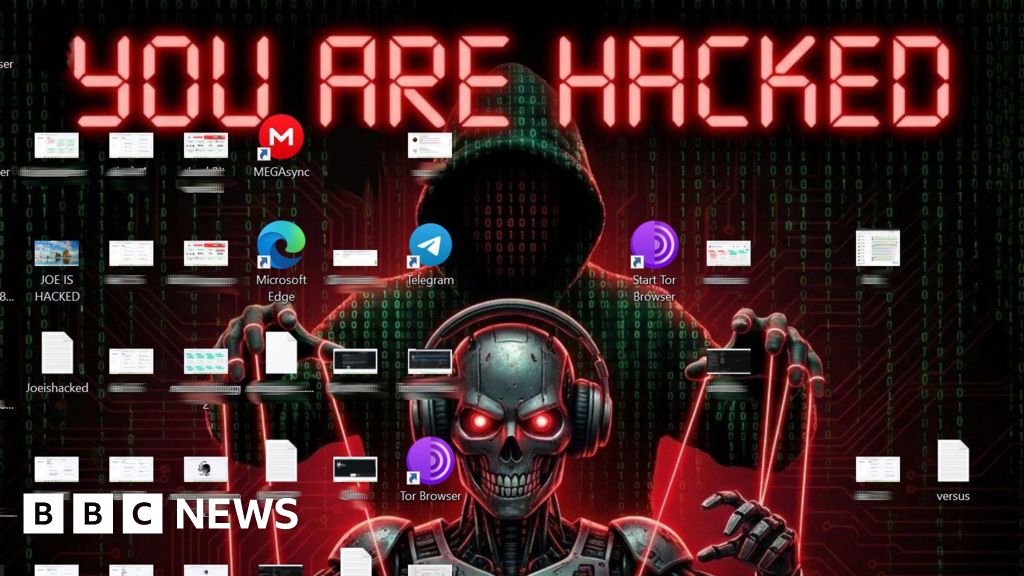
AI coding platform’s flaws allow BBC reporter to be hacked
A critical security vulnerability within a popular “vibe-coding” platform has been exposed after the platform’s security flaws allowed a BBC journalist to demonstrate a successful hack. The incident, which highlights the latent risks associated with rapidly evolving AI-powered development tools, saw a reporter compromise another user’s account, gaining access to private data and application controls within an app built on the system.
These applications, frequently referred to as vibe-coding or low-code/no-code tools, are designed to democratize software development, enabling users without formal programming training to build complex apps using conversational AI prompts. Market adoption of these tools has exploded globally as organizations seek to rapidly prototype and deploy digital solutions without dedicated engineering teams. However, security experts have consistently cautioned that the speed of creation often outpaces stringent security reviews, leading to unforeseen vulnerabilities.
The flaw demonstrated during the BBC report stemmed from inadequate input validation and authentication protocols within the platform’s generated code. The vulnerability allowed the journalist to exploit a common security oversight, enabling unauthorized data retrieval and bypassing the security measures intended to protect the deployed application. The ease with which the system was compromised raises significant concerns regarding the foundational security architecture of tools that promise sophisticated functionality with minimal user expertise.
While the reporter proactively disclosed the finding to the platform developers prior to publication, the incident serves as a stark reminder that convenience does not guarantee robustness. Security analysts monitoring the AI development sector emphasized the growing necessity for rigorous security audits baked into the development lifecycle of these platforms. As non-coders increasingly rely on AI to generate applications, the responsibility shifts to the platform providers to ensure that underlying security standards are non-negotiable. The developers of the platform have confirmed they are implementing an immediate patch to address the critical vulnerability discovered.