AirAsia accused by artist for allegedly using his work without consent
AirAsia accused by artist for allegedly using his work without consent
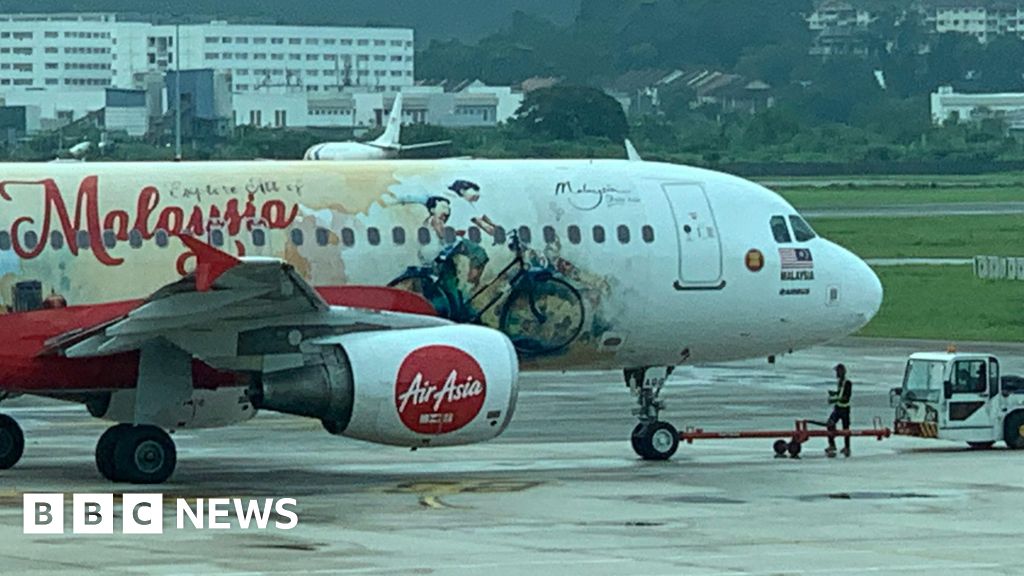
A major regional carrier, AirAsia, is currently facing allegations of intellectual property infringement following claims made by a Penang-based street artist that his artwork was reproduced without consent and used in the design of an aircraft livery.
The artist asserted publicly that an original mural he created in the Malaysian state of Penang was copied and incorporated into the exterior branding applied to one of the airline’s planes. The dispute centres on the unauthorized commercial exploitation of the artwork, which the artist claims he only became aware of after photographs of the decorated aircraft circulated widely on social media platforms over the weekend.
In a statement detailing the alleged transgression, the artist specified that the artwork was “reproduced” onto the fuselage as part of a recent corporate branding campaign. He maintained that at no point did the airline or its associated creative agencies approach him to discuss licensing, payment, or official permission to utilize his distinctive piece, which he views as a clear violation of his creative rights.
The incident highlights the growing friction between corporate entities and independent artists regarding the use of public art for commercial purposes. While street art is visible in the public domain, legal precedent often confirms that the creator retains copyright control, prohibiting unauthorized reproduction for profit.
The artist has indicated he is consulting legal counsel regarding the matter. The action raises significant questions about the internal vetting procedures used by the airline’s design team and their approach to sourcing visual elements for large-scale advertising projects.
AirAsia has been approached for comment on the allegations concerning its design protocols and whether the artwork was knowingly incorporated into the livery. As of publication time, the airline has not yet issued a formal response addressing the claims of copyright infringement.
The resolution of this case is expected to be closely watched by the creative community, as it may set a new benchmark for how intellectual property derived from public installations is handled within the aviation and advertising industries.