Most smart motorways 'not value for money' say reports
Most smart motorways ‘not value for money’ say reports
A recent assessment conducted by National Highways (NH) has found that the vast majority of existing smart motorway schemes are failing to deliver the expected financial benefits, prompting concerns over the economic viability of the controversial infrastructure programme. The reports indicate a significant shortfall in the anticipated returns on investment, particularly concerning the predicted savings in journey times and improved network reliability.
The findings reveal that only three out of 16 reviewed smart motorway projects are currently on track to achieve the financial outcomes forecast during their initial planning phases. These financial benefits are calculated based on metrics such as reduced congestion costs for freight and commuters, and efficiencies gained by smoother traffic flow. The revelation highlights a substantial disparity between the predicted economic advantages used to justify the schemes and their actual performance following implementation.
While National Highways emphasized that the primary purpose of the motorways remains safety and capacity enhancement, the poor financial performance raises difficult questions regarding the allocation of public funds. Infrastructure investment decisions are heavily reliant on robust business cases that demonstrate a positive benefit-cost ratio. The failure of 13 schemes to meet this threshold suggests that taxpayers may not be receiving adequate value for the substantial resources committed to converting sections of the network.
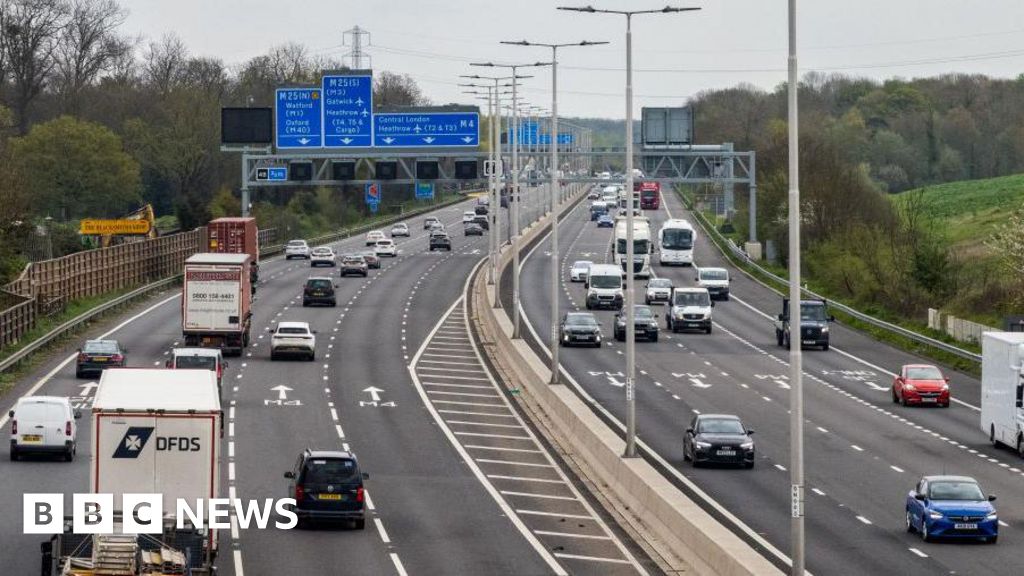
The report comes at a time when smart motorways—which typically use technology to manage traffic flow and convert the hard shoulder into a live lane—are already under intense scrutiny. Safety concerns, coupled with the rising construction and maintenance costs, have led to a government pause on the development of all new all-lane running (ALR) smart motorway sections. Experts suggest these new figures on financial underperformance will add pressure on ministers to reassess existing operational schemes and the methodology used for future infrastructure modelling.
The Department for Transport has been notified of the findings and is expected to outline a strategy for monitoring and mitigating the economic deficit within the poorly performing schemes. National Highways stated it is committed to maximizing the returns from the current smart motorway assets, including enhanced technology deployment and operational adjustments to improve traffic flow and realize the outstanding forecast financial gains.