Jamaat ameer in Faridpur: Freedom beckons on Feb 12 as we stand on ruins
Jamaat ameer in Faridpur: Freedom beckons on Feb 12 as we stand on ruins
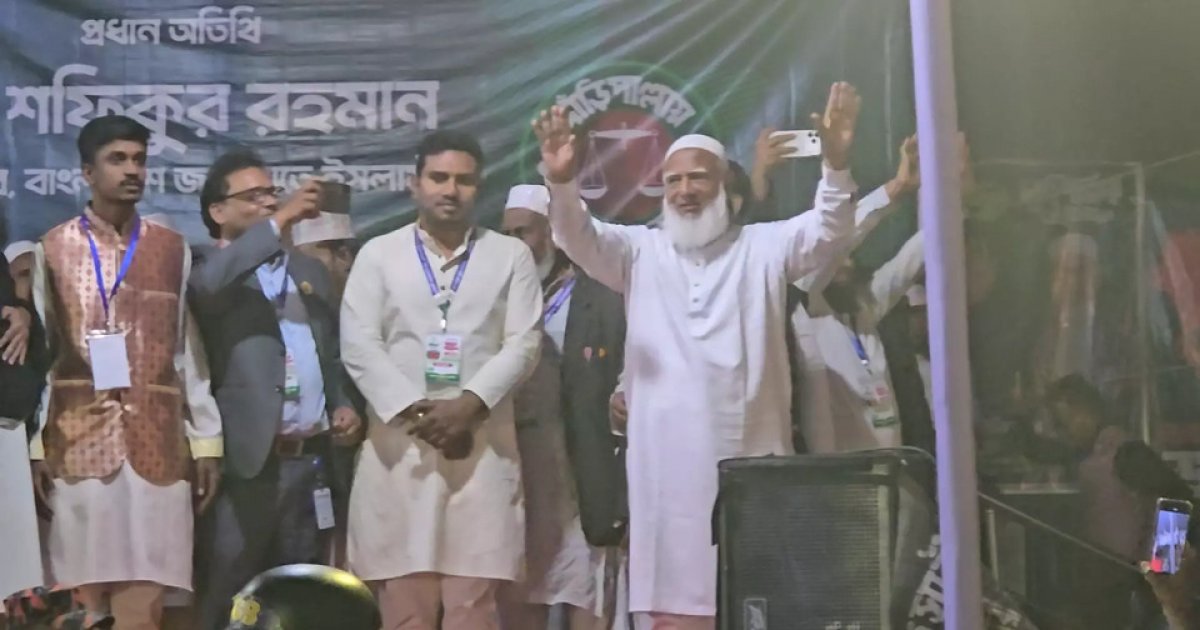
The Ameer (leader) of Jamaat-e-Islami delivered a galvanizing address in Faridpur recently, urging citizens to view the upcoming February 12 elections not merely as a civic duty, but as a definitive “referendum for change” in the nation’s political landscape. The leader’s speech was characterized by strong rhetoric centered on national decline and the urgency of democratic reform.
Speaking to supporters and local constituents, the Ameer stated emphatically that the country was currently “standing on ruins,” a powerful and recurring metaphor he used to describe the perceived instability, economic challenges, and democratic deficits facing the public. The centerpiece of his rallying cry was the promise of impending relief, captured in the core message: “Freedom beckons on February 12 as we stand on ruins.”
The political leader emphasized the necessity for voters to seize the opportunity presented by the polls to steer the country toward democratic restoration and institutional healing. He stressed that a high turnout and a decisive vote in favor of systemic change were essential to moving away from the current political framework, which he characterized as restrictive and damaging to civil liberties.
The Ameer specifically lamented what he termed a systemic dismantling of institutional strength, citing widespread economic hardship, corruption, and a severe lack of transparency as immediate consequences of the existing regime. He framed the upcoming elections as the last viable, peaceful option for citizens to halt this perceived decline and institute reforms that prioritize public welfare over partisan interests.
He called on all voters, irrespective of their current political affiliations, to understand the depth of their civic responsibility. The Ameer argued that the ballot cast on February 12 would define the future direction of governance, potentially leading to the establishment of greater accountability and justice in public life. His appearance and potent rhetoric in Faridpur underscore the highly polarized and high-stakes environment surrounding the crucial ballot date.